


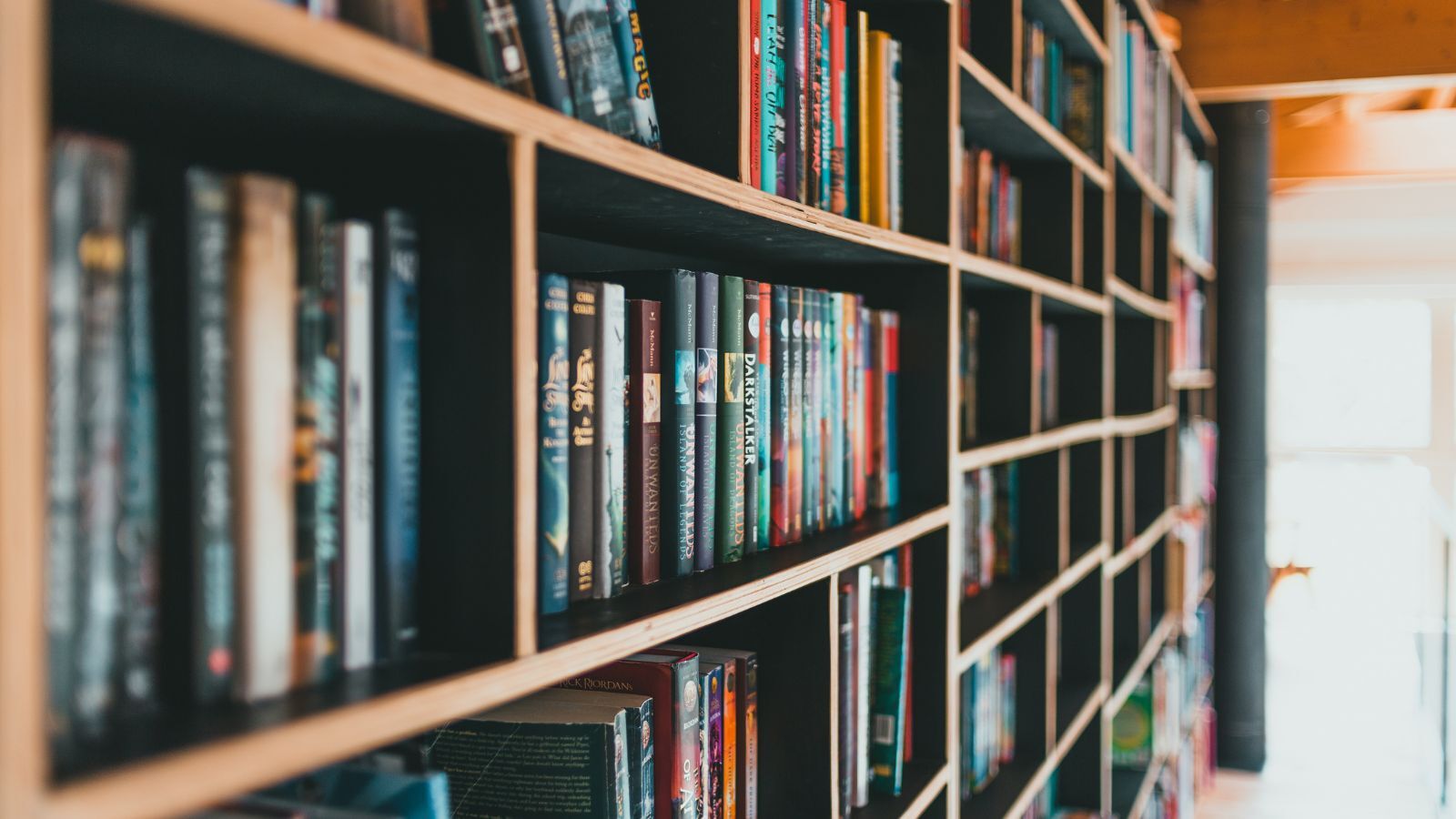
Banned Books Week is October 1st – 7th this year, and Carteret Writers wanted to honor this event. Here is how I imagine the conversation going:
“I don’t want to do the banned books post. I’ll say something offensive and get in trouble.”
“Yeah, me too. It’s too controversial. It’s certain career death for whoever writes it.”
“How about Jessi?”
“Perfect.”
It looks like it’s time to order my author’s tombstone; maybe I’ll even set it in the front yard as a Halloween decoration. But what words will be chiseled on its gray stone surface? Read on to find out the answer and to participate in our banned books survey.
Banned Books Week began in 1982, the year I was born, but book banning dates back thousands of years, to the time of emperors and vellum, so it’s not my fault.
Why are books banned?
Too heavy? Garish covers? Use of the word “towards” instead of “toward?”
No, poor design and questionable grammar will get authors frowned upon but not banned. For that, they need to challenge cultural or moral values, violate current laws or powerful people, and/or insult popular religious views. Anyone can do it.
PEN America finds that in 2022-2023, books were most often banned for themes of race, history, sexual orientation, and gender. Don’t tell me, I don’t want to know, we say, and don’t tell anyone else, either. The #2 banned book for the year All Boys Aren’t Blue represents this well. As the memoirs of a black, non-binary person, it combines at least three of the four reasons books are commonly restricted.
Many books on the banned list are written by authors who belong to at least one minority group. Minority voices are already limited, as that’s the very definition of a minority – these stories need amplification to be heard above the roar. Book banning, however, silences these voices.
Though All Boys Aren’t Blue is a memoir, fiction titles still dominate the banned books list. Also, 49% of books on the list are YA (intended for audiences 12-18 years old). Only 11% are intended for adults. Censorship is most often justified on the basis of age-appropriateness.
Yet, most Americans oppose regulation of reading material for youth. An American Family Survey from October 2022 found that:
- Just 12% of Americans agree that books should be removed from libraries if a parent objects
- Only 16% believe public school libraries include inappropriate books on their shelves
- 65% said it was important for public school libraries to represent a variety of perspectives about controversial issues — even if it makes some people uncomfortable
Then why are we seeing the highest number of attempted book bans in 20 years and a 38% increase from just a year before? Who is digging these holes to bury books and their authors? And why?
Rather than answer that question, I’ll flip the coin, from book banning to book canceling.
I know an author who wrote a kid’s book inspired by local history and lore. She lives here now, but she wasn’t born here. Her ancestors weren’t born here. She’s “from off.”
So, some shops won’t carry her book. The author believes her work honors and illuminates local history, a tribute to those she admires. But others see it as cultural appropriation.
Do you have the right to this story? Have you lived it? Are you qualified?
Or are you a story thief?
Thing is, I’ve written a similar novel, and those weren’t my ancestors, either. When does the sound of my voice silence those whose stories I tell?
When asked about The Confessions of Nat Turner (an enslaved rebellion leader), written by William Styron (a white man), Toni Morrison stated “[Styron] has a right to write about whatever he wants. To suggest otherwise is outrageous.”
Yet, she clarified that it must be done with respect for the subjects and accurate portrayal of their culture and history. In other words, authors have a responsibility to listen more than they talk. Man, I’ve been working on that for decades. It’s not easy.
If you’d like to read more about cultural appropriation vs. appreciation, I suggest Carteret Writers author Tom Kies’ blog post reflecting on this essay in the Washington Post. Or this thoughtful article, from the perspective of a BIPOC writer, who believes we must gain the trust of our readers first before stepping outside of our own boxes.
But what if you try your best and still manage to ruffle a few feathers?
That’s ok. Librarian Jo Godwin once said, “A truly great library contains something in it to offend everyone.” Free public access to diverse perspectives and challenging ideas is crucial for developing an understanding of the world around us. We read to walk in another’s shoes, as uncomfortable as they may be, and to gain empathy for others’ journeys.
If it’s a good story, it should be told. If we don’t want to hear it, that doesn’t change the writer’s right to tell it. If we bury an author under a tombstone, the criminals are the ones holding the shovels and stomping the grave dirt from their feet.
No one owns the truth. Put that on my author’s tombstone, please, and hurry – so it’s ready for Halloween.
What commonly banned books have you read, you rebel? Take our survey!



It’s like you’re eavesdropping on the board meetings. Great job, Jessi! We knew you’d figure out a way to make banned books even more fun. ;)
You caught me.